
How Long Do Hot Flashes Last After Menopause? Causes, Timeline, and Relief Options
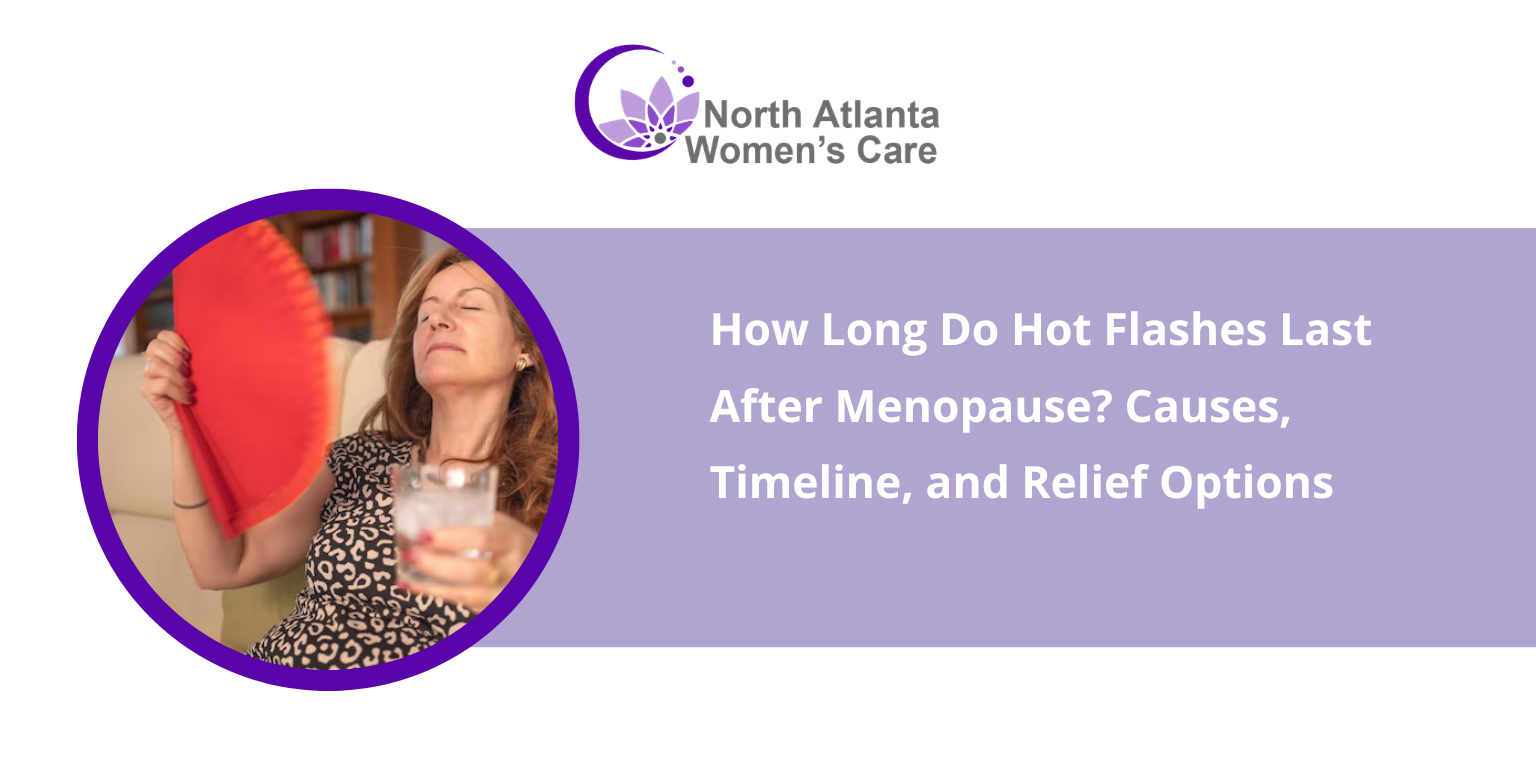
Hot flashes are one of the most common symptoms of menopause. While many women expect them during the transition into menopause, it can be surprising and frustrating when they continue afterward. A common question is, how long do hot flashes last after menopause?
The answer varies from woman to woman. Some experience mild symptoms that fade within a few years. Others may have hot flashes that last longer or feel more intense. Understanding the causes, expected timeline, and available relief options can help you manage symptoms more confidently.
Understanding Hot Flashes
Hot flashes are sudden feelings of intense heat, usually in the upper body, face, and chest. They may be accompanied by:
- Flushing or redness of the skin
- Sweating
- Rapid heartbeat
- Chills after the heat passes
Hot flashes can occur during the day or at night. When they happen during sleep, they are often called night sweats and may disrupt rest.
They are primarily caused by hormonal changes, especially declining estrogen levels. Estrogen plays a key role in regulating body temperature. When levels drop, the body becomes more sensitive to even small temperature changes, triggering a hot flash.
How Long Do Hot Flashes Last After Menopause?
Many women wonder how long hot flashes last after menopause specifically.
Hot flashes can continue for several years after menopause. Studies show that the average duration of vasomotor symptoms, including hot flashes, is about 8 to 10 years total, often beginning during perimenopause and continuing into postmenopause.
For some women:
- Symptoms gradually decrease within a few years
- Others may experience hot flashes into their 60s or even later
- Frequency and intensity can fluctuate over time
There is no exact timeline that applies to everyone.
How Long Do Hot Flashes Last Overall?
If you are asking how long do hot flashes last in general, there are two parts to consider: the length of each episode and the overall duration in years.
Duration of a Single Hot Flash
- Most episodes last between 30 seconds and a few minutes
- Some may last up to 5 minutes
- Night sweats may feel longer due to sleep disruption
Frequency
- Some women experience occasional episodes
- Others may have multiple hot flashes per day
- Night sweats can significantly affect sleep quality
When Do Hot Flashes Stop?
For most women, hot flashes gradually decrease over time. However:
- There is not always a clear or sudden end point
- Symptoms may lessen in frequency before stopping entirely
- Triggers can cause temporary flare-ups even after improvement
In some cases, symptoms may persist longer than expected, especially if menopause began early.
How Many Years Do Hot Flashes Last?
Another common question is, how many years do hot flashes last?
For many women, hot flashes last between 4 and 10 years. However:
- Early onset menopause may extend the duration
- Some women experience long-term symptoms
- Lifestyle factors and overall health can influence severity
What Causes Hot Flashes After Menopause?
Hot flashes after menopause are mainly linked to:
- Declining estrogen levels
- Changes in the body’s temperature regulation system
- Increased sensitivity to minor temperature shifts
Even after menopause is complete, hormone levels remain lower than before, which can continue to trigger symptoms.
Common Triggers of Hot Flashes
Certain triggers can make hot flashes more frequent or intense. These include:
- Hot weather
- Stress or anxiety
- Spicy foods
- Caffeine
- Alcohol
- Smoking
- Tight or heavy clothing
How to Manage and Reduce Hot Flashes
Simple lifestyle changes can help reduce the frequency and intensity of hot flashes:
- Wear lightweight, breathable fabrics
- Keep your home and bedroom cool
- Use layered clothing for easy adjustment
- Practice stress management techniques such as deep breathing
- Maintain regular physical activity
- Eat a balanced diet
Treatment Options for Hot Flashes
If lifestyle changes are not enough, medical treatment may help.
Hormone Therapy
Hormone therapy can be effective for reducing moderate to severe hot flashes when appropriate. It should be discussed with a healthcare provider to evaluate benefits and risks.
Non-Hormonal Medications
Certain prescription medications can help manage symptoms for women who cannot or prefer not to use hormone therapy.
Personalized Care Plans
Every woman’s experience is different. Treatment decisions should be based on symptom severity, medical history, and personal preferences.
When to See a Doctor
Consider scheduling an appointment if:
- Hot flashes are severe or frequent
- Night sweats disrupt your sleep regularly
- Symptoms interfere with work or daily life
- You notice sudden changes in symptom patterns
- You would like to explore treatment options
Schedule a Menopause Consultation at NAWC
Hot flashes are common after menopause, but they do not have to control your quality of life. While the answer to how long do hot flashes last after menopause varies, early support and personalized care can make a significant difference.
At NAWC, we provide individualized menopause care focused on symptom relief, hormone balance, and long-term wellness.
Schedule a consultation today to discuss your symptoms and explore treatment options designed for you.
FAQs
1. How long do hot flashes last after menopause?
They may continue for several years after menopause. On average, symptoms last 8 to 10 years total, though the experience varies.
2. How long does a single hot flash last?
Most episodes last between 30 seconds and a few minutes.
3. When do hot flashes stop completely?
They usually decrease gradually over time, but there is no exact age when they stop for everyone.
4. How many years do hot flashes last?
For many women, they last between 4 and 10 years, though some experience them longer.
5. Are hot flashes normal after menopause?
Yes. It is common for hot flashes to continue after menopause due to ongoing hormonal changes.

Be the first to post a comment
Leave a Reply Cancel reply